
Inset Cabinetry in Alpharetta, GA
Inset cabinetry in Alpharetta where the door sits flush with the frame and the gap is part of the design.
Free estimate from a local cabinet pro. No obligation.
Get my free estimate
Or call (678) 606-5523. Calls only, we do not receive text messages.
Answered 24/7
Builder-grade kitchens from the 1990s and early 2000s in Fulton County often feature flat-panel doors and hidden hinges that lack depth and character. Homeowners seeking a refined, furniture-like presence in their kitchen turn to inset cabinetry in Alpharetta, where the precision of frame and door alignment speaks to craftsmanship, not mass production.
- Free estimate from a local pro
- No obligation to go ahead
- Semi-custom to full custom
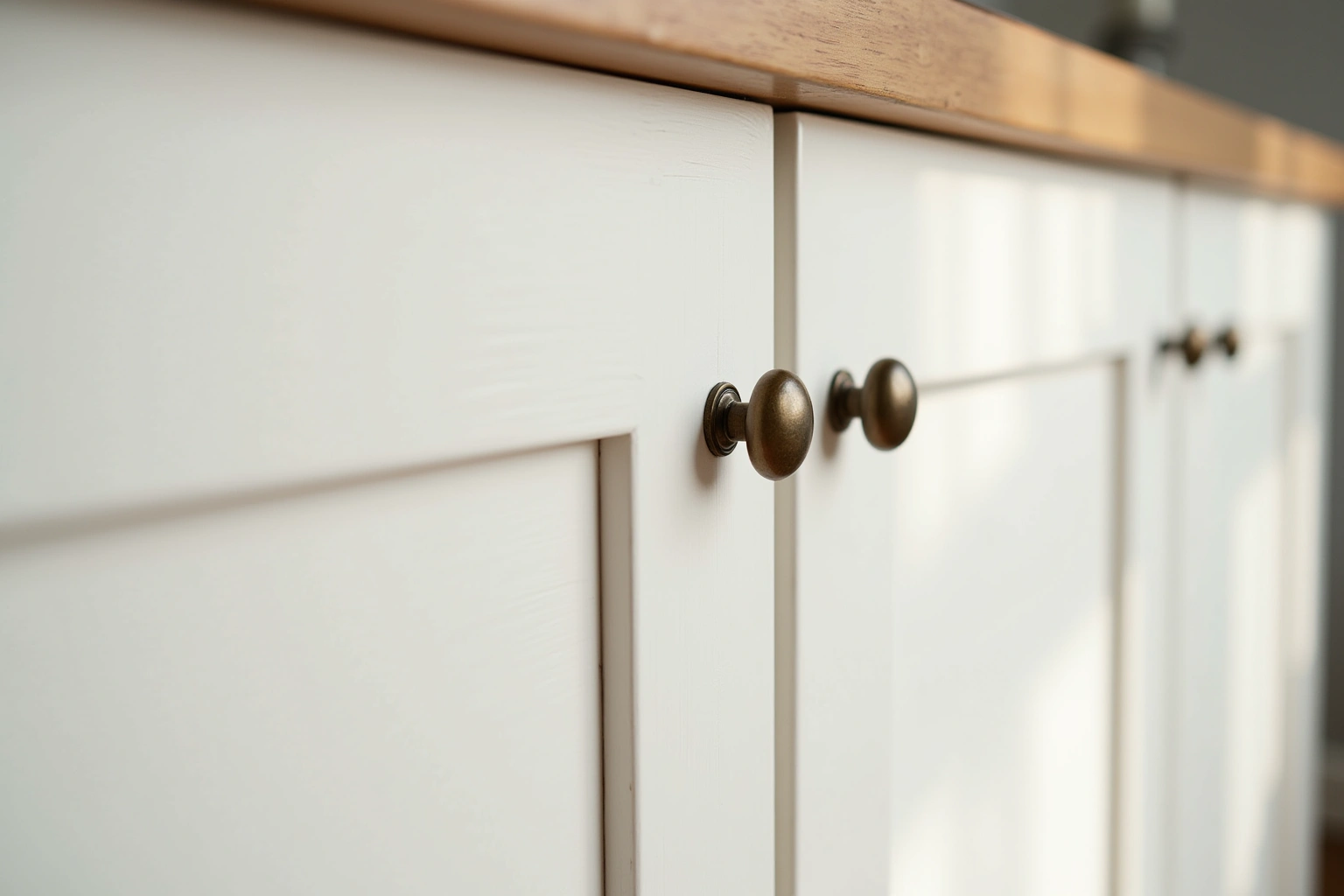
About our inset cabinetry
The difference between a standard inset and a furniture-grade inset lies in the details: the bead along the frame, the hinge exposed as a design element, the grain match between door and frame, and the toe kick that reads as a plinth. Alpharetta Cabinet Studio helps you identify and specify these elements so your kitchen reflects your choices.
Inset cabinetry in Alpharetta
Inset cabinetry in Alpharetta where the gap is the point
The reveal on an inset door, the thin line of frame that shows around the door when it closes, is the detail that makes inset work look intentional rather than loose. On an overlay door, the gap does not show. On inset, the gap is part of the design. The cabinetmaker's job is to keep that reveal consistent across every door on the run, which is why inset costs more and why a careless shop produces inset that looks worse than overlay.
- An inset door with a reveal that varies by a sixteenth of an inch across the run does not look like a design detail, it looks like a mistake.
- The frame has to be square and the case has to be square for the door to sit right. Both conditions have to be true at the same time.
- So you get the even reveal that makes inset worth the cost, not a gap that shifts door to door.
Free estimate from a local cabinet pro. No obligation.
Answered 24/7
Inset cabinet hinges in Alpharetta
Exposed hinges that belong there, not ones that escaped
Traditional inset cabinetry uses exposed hinges, usually butt hinges or knife hinges that show on the face of the frame. The hinge is part of the look. In a contemporary inset kitchen the hinge can be concealed, but the door still sits flush. Both are legitimate choices, and the right one depends on the kitchen's direction. Ask to see both options in a sample before the order is placed.
- A traditional butt hinge in a modern kitchen is not wrong, but it is a deliberate choice, not an accident.
- Concealed European hinges on inset doors are possible but require a different frame cutout. Not every shop offers both.
- So you end up with the hinge style the kitchen calls for, not the one the supplier defaults to.
Free estimate from a local cabinet pro. No obligation.
Answered 24/7
Cabinet refacing vs inset in Alpharetta
When the existing boxes are fine: inset refacing instead
A kitchen where the existing cabinet boxes are plywood and square can sometimes be refaced to an inset look rather than replaced. The new doors sit in a new face frame that gets applied over the old box. It is not the same as a true inset build, and the reveal tolerances depend on how square the old boxes are. Ask about box condition at the free estimate, because that answer decides whether refacing is the right path or whether replacement is the only way to get inset right.
- An out-of-square old box produces an uneven reveal on a refaced inset door. The box condition, not the door quality, is the limit.
- Refacing costs less than replacement when the boxes are worth keeping. A free estimate tells you which condition applies.
- So you do not pay for replacement boxes when the existing ones can take an inset face frame.
Free estimate from a local cabinet pro. No obligation.
Answered 24/7
Why Alpharetta Cabinet Studio
How to plan your project
Tell us about the room and a local cabinet pro gives you a free estimate, with no obligation to go ahead.
Free estimate from a local cabinet pro. No obligation.
Answered 24/7
Beaded versus square inset frames
Beaded inset cabinetry has a narrow, rounded groove routed around the perimeter of each frame opening. It is cut into the frame itself during millwork, a mark of hand-finishing found in estate kitchens. In Alpharetta homes with traditional architecture or restored interiors, beaded frames distinguish the work from standard semi-custom lines. Square inset frames offer clean lines but lack the dimensional warmth of the bead. The bead adds cost through increased millwork time and material waste, but it also creates a shadow line that enhances depth under natural light.
The choice between beaded and square inset is made at the design stage, because the frame stock is machined to spec before any assembly begins. Changing the frame profile after an order is placed requires a full remillwork of the face frame set. Homeowners who want beaded inset should confirm the detail in writing on the design drawing before the order is placed.
Exposed hinges and hardware on inset doors
On furniture-grade inset cabinetry, hinges are a design feature. Barrel hinges or butt hinges are mortised into the door edge in the shop, not on site, and aligned precisely to the frame. This requires the door to be ordered with the hinge type specified, as the mortise depth and placement must match the frame's thickness and the hinge's profile. In Alpharetta, for historic homes and high-end renovations, exposed hinges are chosen in brass, oil-rubbed bronze, or satin nickel to complement the wood or paint finish.
Hardware on drawers follows the same standard: pulls are ordered with the cabinetry, not added later. This keeps spacing and alignment consistent across all doors and drawers. A mixed hardware selection, where pulls on doors differ from pulls on drawers, must be specified at design because the drilling template is set at the factory. On-site hardware changes after installation require refilling and redrilling, which compromises the finish on painted inset doors.
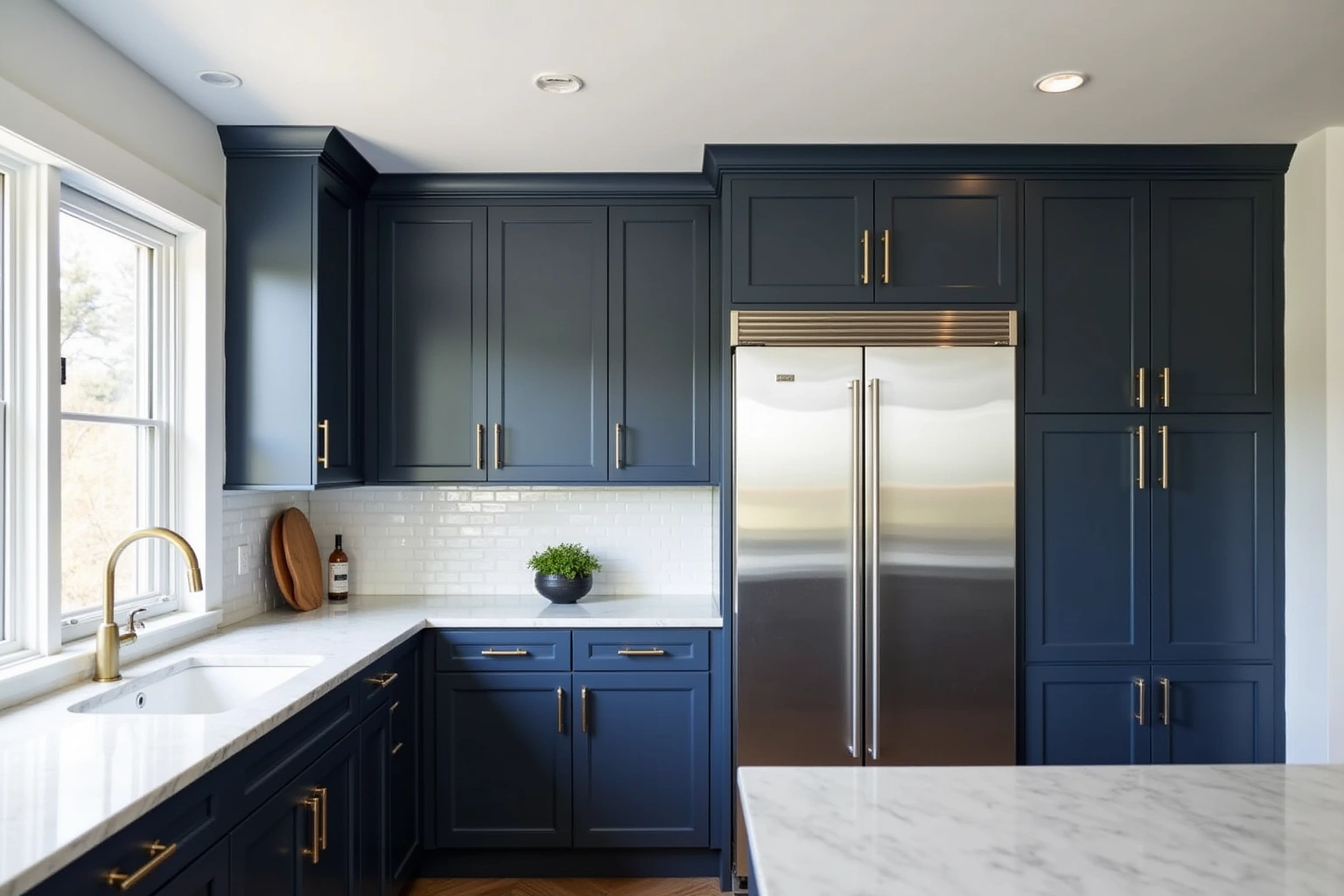
Painted inset or stained inset
Stained inset cabinetry in Alpharetta demands a match between door and frame grain. For this reason, the wood for both components is cut from the same board, whether white oak, walnut, or rift-sawn hickory, so the grain flows continuously across the joint. This level of matching is not possible with painted inset, where the color hides the wood's natural variation. Painted inset, typically done in maple or MDF, offers a clean, uniform surface ideal for modern or transitional interiors.
In homes where the wood itself is the statement, stained inset is the preferred choice. The finish is applied in controlled conditions, then hand-sanded between coats to ensure a smooth, durable surface that resists chipping in high-use areas like kitchen islands or pantry doors. White oak is a common selection in Alpharetta because its open grain absorbs stain evenly and its pale tone reads well against marble or quartz countertops. Walnut produces a richer, darker result and is often chosen for pantry runs or bar cabinetry where warmth is the goal.
Plinths and flush toe kicks
A flush toe kick on inset base cabinets is a plinth, a design element borrowed from fine furniture. Unlike standard toe kicks that sit proud or are cut at a fixed height, a flush toe kick is scribed to the finished floor during installation; it follows the contour of tile, hardwood, or stone. This requires the installer to measure the floor's variation across the room and adjust each cabinet's base accordingly.
In Alpharetta homes with high-end finishes, this detail reads as deliberate craftsmanship. It eliminates the visual break between cabinet and floor; the result is a grounded, continuous line. This step cannot be pre-fabricated. It must be done on-site, after the floor is laid, and is only performed on custom or high-end semi-custom inset runs. The scribe is cut to match the floor profile and finished to blend with the cabinet's paint or stain so the transition is invisible from a standing position.
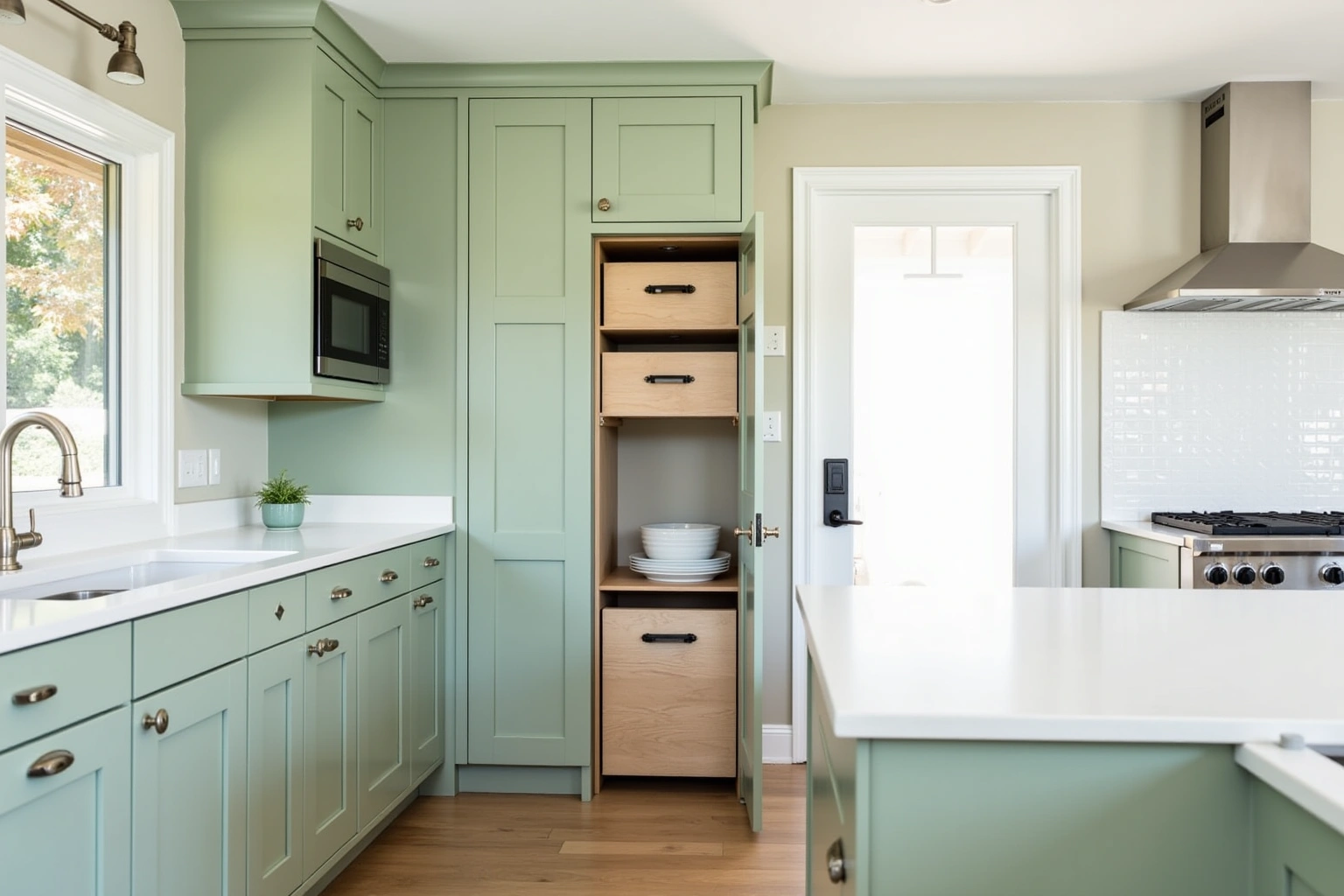
Inset cabinetry cost in Alpharetta
The cost of inset cabinetry in Alpharetta varies by grade, material, and the number of details specified. Stained inset with beaded frames and matched grain typically runs roughly $500 to $1,200 per linear foot installed, while painted inset without bead detailing may range from roughly $400 to $900 per linear foot. A full kitchen with 30 linear feet of inset cabinets, including tall pantry units, soft-close hinges, dovetail drawers, and a flush toe kick, can range from roughly $18,000 to $60,000 installed.
The price moves with wood species: walnut and rift-sawn oak carry a premium over maple or MDF. Hardware selection also affects the total, where a custom forged pull can cost many times more than a standard bar pull. Door style complexity, such as a raised panel inset versus a flat inset, adds millwork time and affects material yield. Beaded frames add further cost over square frames because the routing step is a separate pass on the frame stock. Tear-out of existing cabinetry, debris removal, any patching behind the frames, and countertop work are each priced and listed separately. These figures are estimates for inset cabinetry in Alpharetta, GA, subject to change, and the final price is the one in the written quote you agree.
The process
From first call to installed cabinets
Four steps, and you make a decision at the end of each one before the next begins.
Call or send the form
Tell us about the room and what you want from it, and a local cabinet pro contacts you to talk it through.
Free estimate
A free estimate for the room, with door style, finish and hardware choices to weigh before you commit.
Decide, then order
Ask for every cabinet and the lead time to be listed in writing. Nothing is ordered until you decide to go ahead.
Delivery and install
Boxes are checked on arrival, set level and scribed to the walls, doors adjusted, then a walk-through with you.
Free estimate from a local cabinet pro. No obligation.
Answered 24/7
Also from us
Related Services
Custom Kitchen CabinetsSemi-Custom Kitchen Cabinets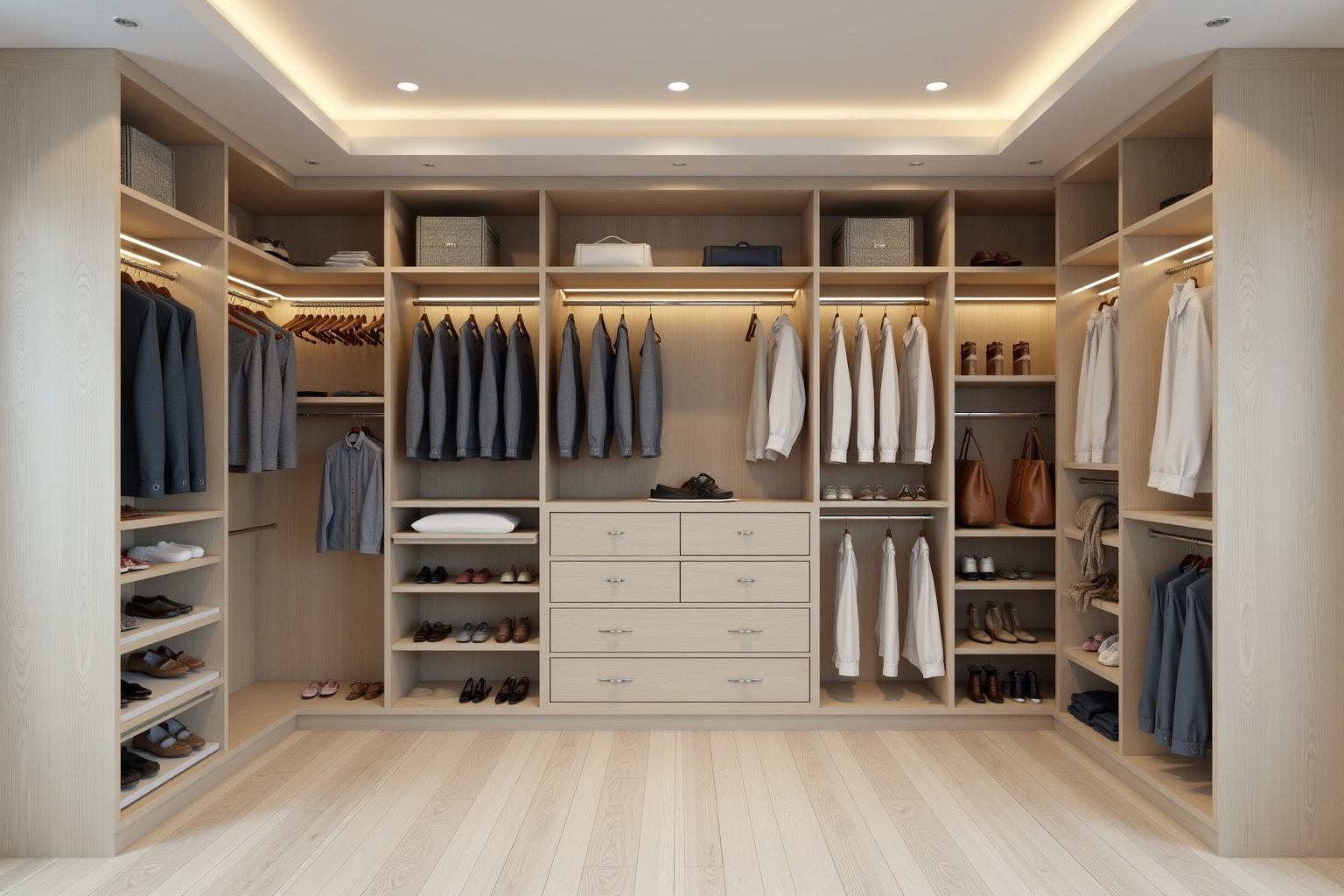 Custom Walk-In Closet Cabinetry
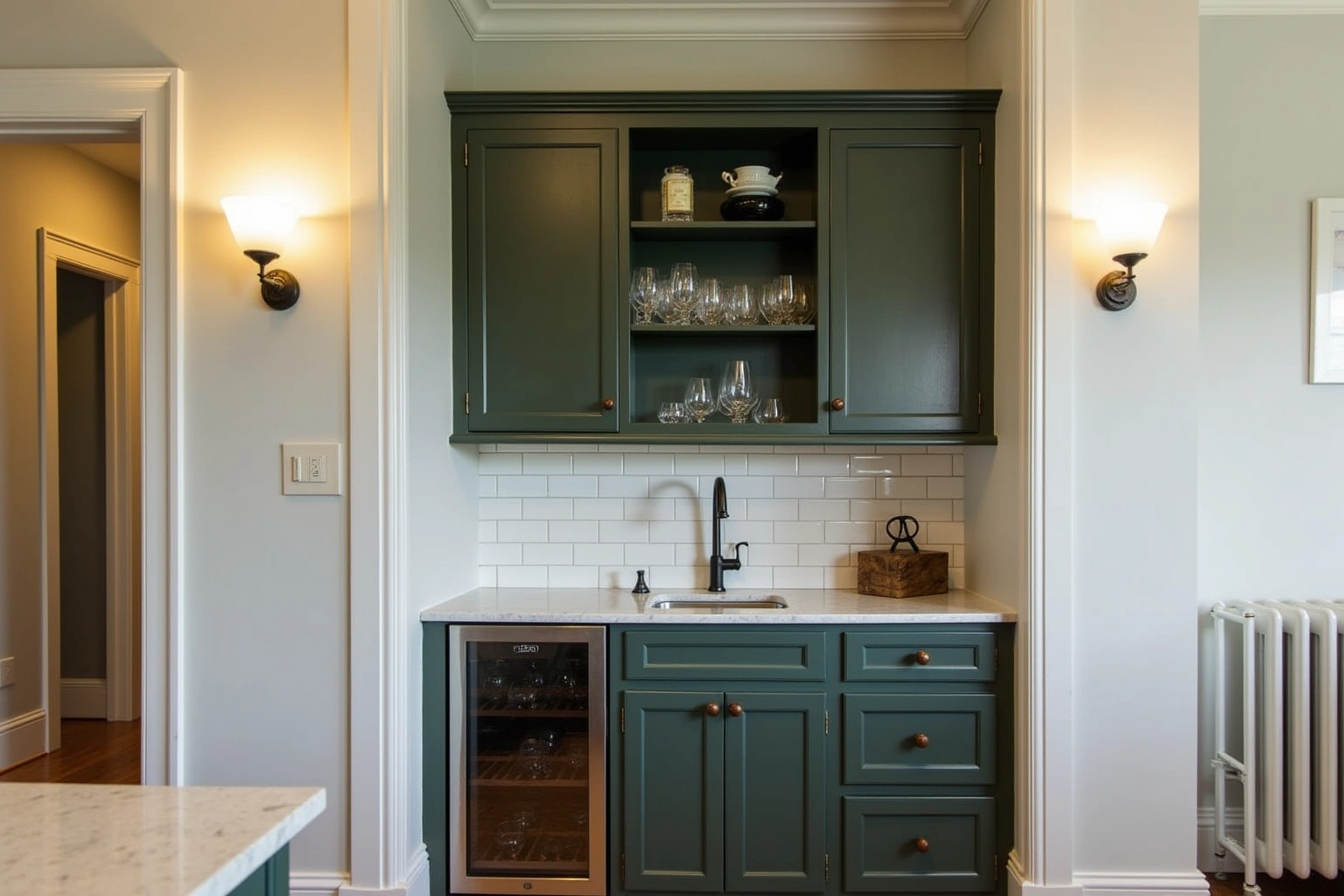 Wet Bar and Butler's Pantry Cabinets
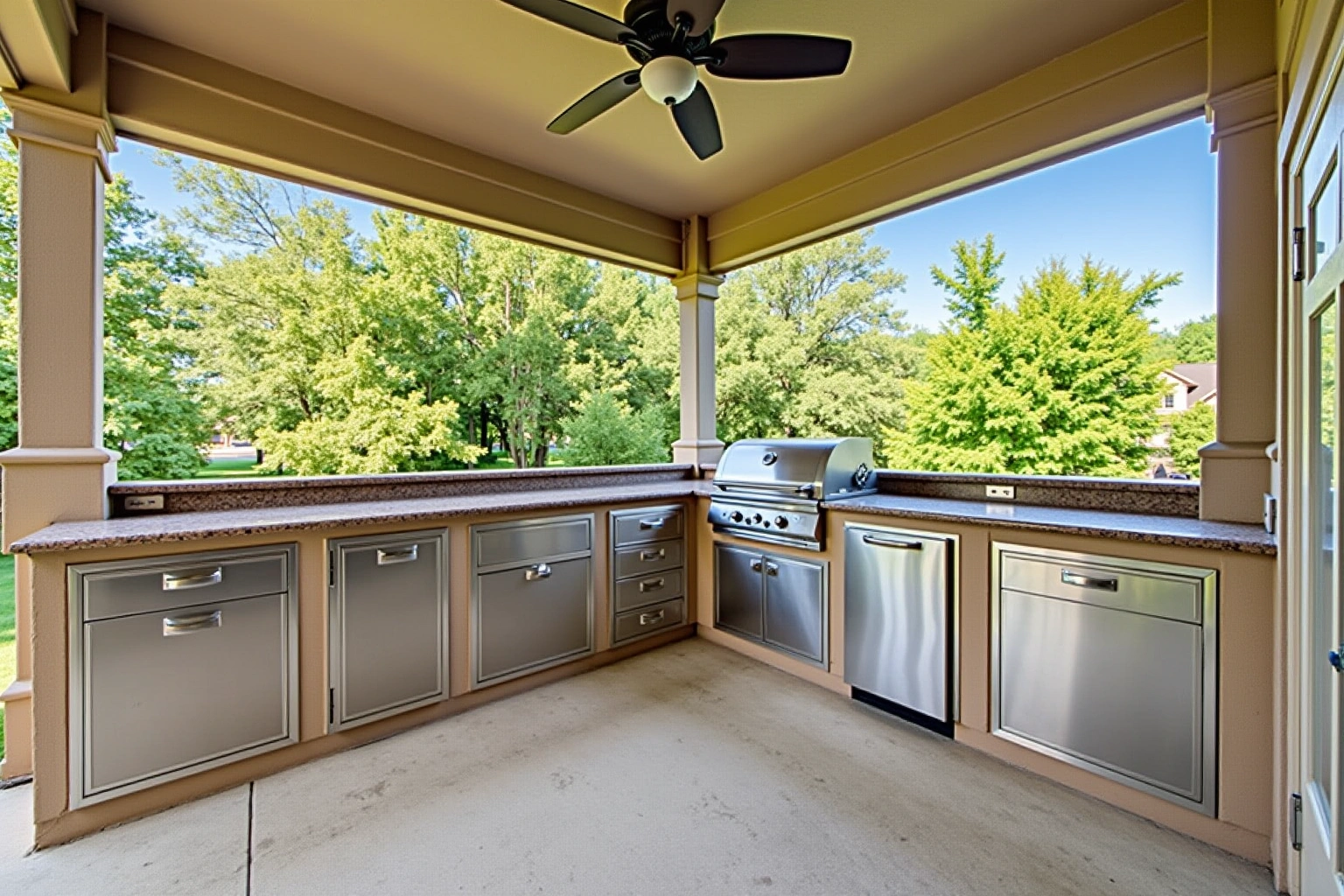 Outdoor Kitchen Cabinets
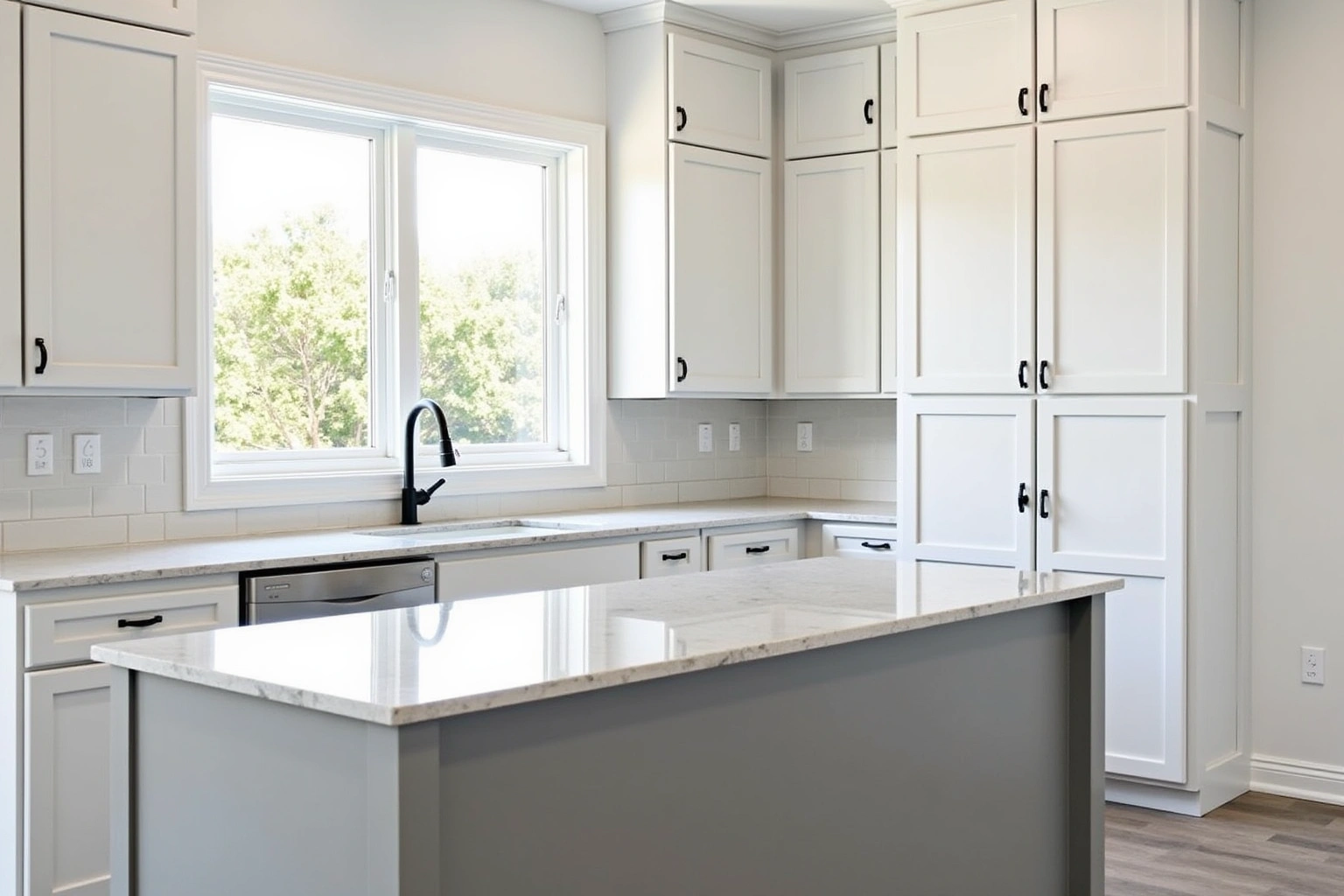 Kitchen Cabinets
Free estimate from a local cabinet pro. No obligation.
Answered 24/7
More cabinet options
Service area
Areas covered by these guides
Questions
Inset Cabinetry: Common Questions
Do you offer refacing for inset cabinets?
Inset cabinetry is not suitable for refacing because the frame and door are designed as a single unit with precise alignment. Refacing requires overlay doors, which cannot be fitted over inset frames without breaking the visual continuity or compromising function. If the boxes are sound but the doors are worn, replacement of the entire door and frame set is the only option that preserves the inset look.
Why are exposed hinges specified with the doors?
Exposed hinges require a mortise to be cut into the door edge during millwork, not on site. The depth, width, and location of this mortise must match the hinge's profile and the frame's thickness exactly. This is done in the factory before the door is finished, so the hinge sits flush and operates smoothly. Specifying the hinge type at design ensures the door is built correctly the first time.
Can you match the grain between door and frame if I choose stained wood?
Yes. For stained inset cabinetry, the door and frame stock are cut from the same board to ensure the grain pattern flows continuously across the joint. This requires more material and careful selection, which is why it is a feature of custom and high-end semi-custom lines. It cannot be achieved with paint, where the color masks the wood's natural variation.
What makes a flush toe kick different from a standard one?
A standard toe kick is cut to a fixed height and sits proud of the floor. A flush toe kick is scribed to the actual contour of the finished floor during installation, whether it is tile, hardwood, or stone. This requires the installer to adapt to the room's imperfections, not force the cabinet into a rigid shape. The result is a clean transition that reads as furniture.
How long does it take to get inset cabinetry in Alpharetta?
Custom inset cabinetry typically runs eight to sixteen weeks from design approval to delivery, depending on the complexity of the details. Beaded frames, matched grain, and flush toe kicks all add millwork time. Semi-custom inset with standard details may arrive in four to eight weeks. The free estimate confirms the lead time before the order is placed.
What should a cabinet quote include?
The written quote itemizes every cabinet by size, type, and material, with door style, finish, box construction, hardware, and specialty units listed separately. It includes demolition, disposal, and installation labor. Any optional detail, like beaded frames or a flush toe kick, is called out with its own line item and cost. No changes are made without a revised quote.
Do you cover Fulton County?
Alpharetta Cabinet Studio serves Alpharetta and surrounding areas within Fulton County. The free estimate confirms service eligibility based on current project scheduling. Call to verify your location before booking.
What does the written warranty cover?
Ask whether the order comes with a written warranty and where its terms are set out. Ask for the current written warranty terms at the free estimate, before any order is placed.
Talk to us about inset cabinetry
Tell us about the room, in Alpharetta or anywhere in the service area, and a local cabinet pro gives you a free estimate, with no obligation.
Free estimate from a local cabinet pro. No obligation.
Answered 24/7
Calls only, we do not receive text messages.